



Balancing Performance Pressure with Employee Wellbeing
Every organisation wants results.
Higher targets. Faster execution. Better numbers.
But somewhere between the pressure to perform and the pace of modern work, something quietly breaks — the people delivering those results.
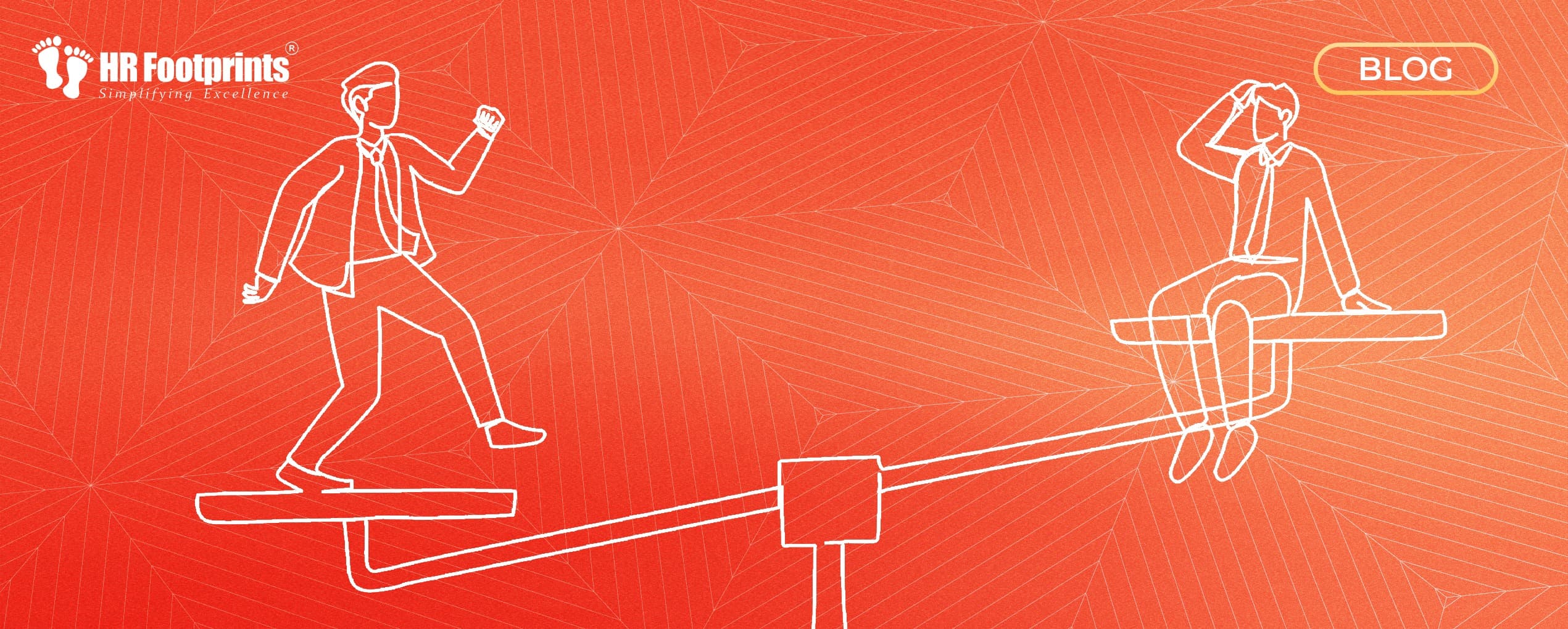
Balancing performance pressure with employee wellbeing is no longer a "nice HR initiative." It is one of the most urgent leadership challenges of 2026.
Why This Balance Is Breaking Down
The workplace has changed dramatically.
Hybrid teams, always-on communication, AI-driven workflows, and shrinking deadlines have compressed the breathing room employees once had.
The result?
- Burnout is rising
- Quiet quitting is real
- Top performers are leaving — not because of money, but because of exhaustion
And yet, many organisations continue to treat wellbeing and performance as separate agendas.
They are not.
They are two sides of the same coin.
The Performance-Wellbeing Paradox
Here is what the data and lived experience consistently show:
Pressure without support kills performance — not just people.
When employees feel consistently overwhelmed, overworked, and undervalued:
- Creativity drops
- Decision quality declines
- Collaboration breaks down
- Discretionary effort disappears
Organisations chasing short-term performance metrics at the cost of wellbeing often see long-term decline in productivity, engagement, and retention.
As we explored in our blog on The ROI of Employee Well-being Programs, performance doesn't collapse because of a lack of skill. It collapses because of silent exhaustion.
What Does "Balance" Actually Look Like?
Balancing performance and wellbeing does not mean lowering expectations.
It means raising the quality of how performance is supported.
Here are the levers that matter:
1. Redefine What High Performance Means
High performance is not about working the most hours.
It is about delivering meaningful outcomes — sustainably.
Organisations need to shift from measuring activity to measuring impact. This connects directly to modern performance frameworks. Our blog on Performance Management in 2026: Trends Every HR Leader Must Know outlines why goal alignment, coaching, and continuous feedback are now at the core of how great organisations manage performance.
2. Build Psychological Safety Into the Culture
Employees under pressure need to feel safe — safe to raise concerns, ask for support, and flag when workloads are unsustainable.
Without psychological safety:
- Problems are hidden until they explode
- Feedback becomes fear-driven
- Managers become gatekeepers, not coaches
Psychological safety is not softness. It is the foundation of high-performance cultures.
3. Equip Managers to Coach, Not Just Push
The manager-employee relationship is where the balance is won or lost.
Managers who know only how to drive performance — without the skills to support wellbeing — create pressure without purpose.
Modern organisations are investing in:
- Constructive feedback training
- Empathetic leadership development
- One-on-one conversation frameworks
When managers shift from demanding outcomes to developing people, performance follows — naturally and sustainably.
This is why coaching-centric leadership is one of the defining shifts in performance management in 2026.
4. Use Data to Listen, Not Just Measure
Most organisations measure performance through numbers.
But how many measure wellbeing with the same rigour?
Tools like Employee Satisfaction Surveys, 360-Degree Feedback, and Pulse Checks give leaders real-time insight into where pressure is becoming unsustainable — before it becomes a crisis.
We explored this in depth in our piece on Listening Culture: The Real Outcome of Effective Organisation Surveys.
Measurement without listening is just surveillance.
Listening with intention is leadership.
5. Connect Development to Relief
One of the often-missed causes of employee stress is stagnation.
Employees who feel they are growing — building skills, taking on new challenges, seeing a career path — experience stress differently. They interpret pressure as opportunity, not threat.
Organisations that invest in Reskilling and Upskilling report higher resilience and engagement under pressure.
Explore how continuous learning builds future-ready teams: Reskilling and Upskilling: A Roadmap for 2026
The Warning Signs Leaders Must Not Ignore
If you see these signals in your organisation, the balance has already tipped:
- Top performers going quiet in meetings
- Increased absenteeism and medical leave
- Declining quality of output despite long hours
- High attrition in high-pressure teams
- Managers burning out trying to hold teams together
These are not individual performance problems.
They are systemic signals.
How HR Leaders Can Restore the Balance
Step 1 — Diagnose before you design.
Use structured listening tools to understand where pressure is concentrated.
Step 2 — Involve managers in the solution.
They are closest to the problem. They need both accountability and support.
Step 3 — Review workload design.
Are targets realistic? Are timelines humane? Is performance being expected — or over-extracted?
Step 4 — Integrate wellbeing into performance systems.
Not as a separate HR initiative. As part of how goals are set, reviewed, and rewarded.
Step 5 — Recognise sustainably high performance.
Celebrate teams that deliver consistently — without burning out. That is the behaviour you want to scale.
Final Thought: Performance and Wellbeing Are Not Competing Goals
The organisations that will win the next decade are not the ones that push hardest.
They are the ones that understand this:
People perform best when they feel seen, supported, and stretched — not squeezed.
Wellbeing is not a reward for performance.
It is the condition that makes sustained performance possible.
When organisations invest in both — equally and intentionally — they build something rare:
A culture where people want to stay, grow, and give their best.
At HR Footprints, we partner with organisations to design performance and wellbeing strategies that work together — not against each other. Explore our services: Performance & Goal Setting | Executive Coaching | 360-Degree Feedback